Clear and honest information
We explain possible benefits, limits, and risks in plain language so you can make an informed choice.

Booking is open for virtual visits starting November 23, 2026. In-person visits are coming soon.
TREATMENT EDUCATION
Use this page to learn what each service is, where it may offer support, what a visit may feel like, what research suggests, and which risks or safety questions matter.
We explain possible benefits, limits, and risks in plain language so you can make an informed choice.
A treatment is considered only after looking at your health history, goals, comfort, current care, and safety needs.
Afiyah works alongside primary and specialty care and will recommend another level of care when your needs fall outside our services.
EXPLORE THE SERVICES
Each topic explains where the service may help, what research suggests, what the visit may feel like, and which risks or safety questions matter.
Showing 8 of 8 topics
A thorough conversation that brings your health history, current concerns, daily life, goals, and existing medical care into one organized treatment plan.
The value of an integrative consultation comes from careful assessment, education, shared decision-making, and coordinated planning. It is not a single treatment and does not promise a diagnosis or cure.
We will talk through your history, current concerns, medications, supplements, nutrition, sleep, stress, movement, and personal goals. In person, Dr. Quanon may also check vital signs, make focused observations relevant to safe acupuncture care, or complete an East Asian medicine tongue and pulse assessment when appropriate.
Please bring accurate medication and supplement information and share any recent diagnoses, testing, pregnancy, or changes in your health. The visit does not replace primary, specialty, urgent, or emergency medical care.
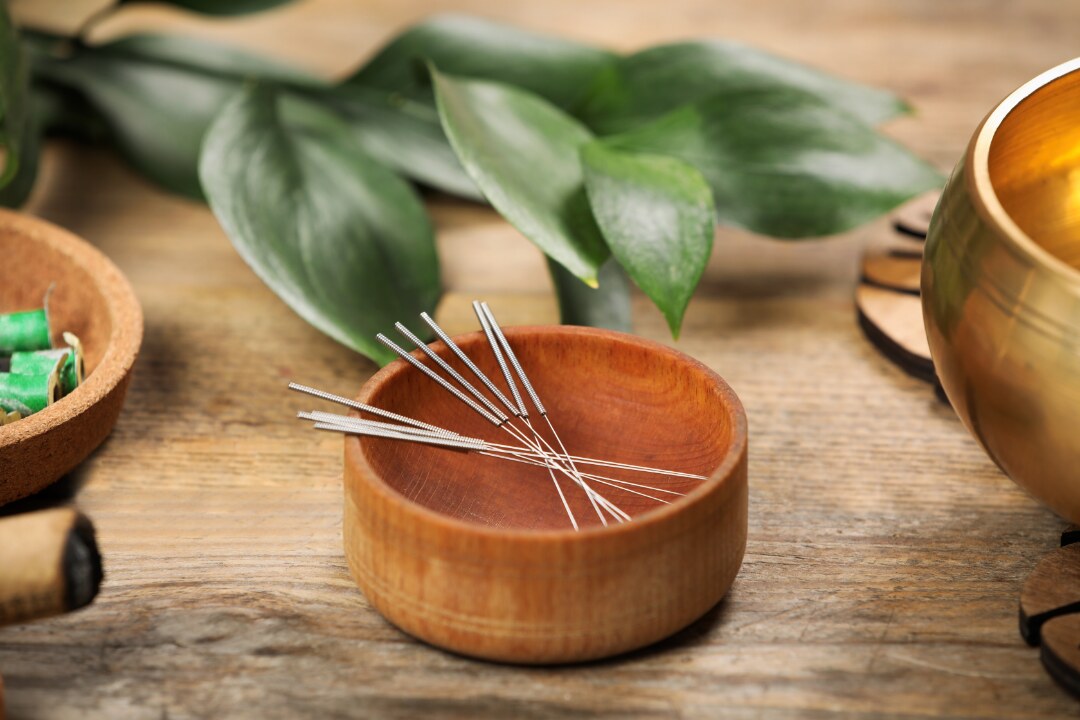
Acupuncture uses very fine, sterile, single-use needles at carefully selected points. Your treatment is based on your concerns, comfort, health history, and care plan.
Research is strongest for certain pain conditions and headache prevention. Evidence for many other uses is mixed, limited, or still developing, and acupuncture should not delay needed medical care.
After a short check-in, you will rest in a comfortable position while the needles are placed. You may feel a quick pinch, pressure, heaviness, warmth, or tingling. Needles usually remain in place while you rest. Ear treatment, gentle electrical stimulation, heat, gua sha, or brief cupping may be added only when appropriate and explained to you.
Common short-term effects include soreness, minor bleeding, bruising, tiredness, or light-headedness. Serious complications are uncommon when acupuncture is performed correctly, but infection or injury can occur. Tell us about pregnancy, pacemakers or implanted devices, blood thinners, bleeding disorders, immune suppression, fainting with needles, or major health changes.
Contrast hydrotherapy uses carefully timed warm and cool applications. The temperature, timing, and treatment area are adjusted to your health and comfort.
Some research on contrast water therapy suggests possible short-term recovery benefits after exercise, but evidence for many broader health claims is limited. Afiyah presents this as supportive care, not a treatment for a disease.
Warm and cool applications are alternated in a planned sequence while you are monitored for comfort and skin response. You should always tell us if a temperature feels painful, numb, or overwhelming. Gentle electrical stimulation may be discussed only when appropriate and with your permission.
Temperature therapy may not be appropriate for some heart, blood vessel, nerve, skin, circulation, pregnancy-related, or temperature-sensation concerns. Possible effects include discomfort, dizziness, skin irritation, or burns if heat or cold is excessive, which is why screening and close monitoring matter.
Tui Na is a hands-on East Asian bodywork practice that may use pressure, rhythmic movement, stretching, joint movement, and acupressure points.
Manual therapies may offer short-term relief for some musculoskeletal concerns, but studies of Tui Na vary in quality and do not support every claimed use. Your response may differ from another person’s.
Treatment may be provided over comfortable clothing or with access to one focused area. You may sit, lie down, or change positions. Pressure and movement are adjusted throughout the visit, and you can ask for a change or pause at any time.
Temporary soreness, tenderness, or fatigue may occur. Tell us about recent injury, fracture, surgery, severe pain, numbness, skin changes, blood clots, blood thinners, osteoporosis, pregnancy, or any condition that affects safe positioning or pressure.
Standard cupping uses gentle to moderate suction on selected areas. Afiyah may use stationary, sliding, dry, or fire-cupping techniques when appropriate.
Some studies suggest short-term pain relief, but research quality varies and the benefit is not certain for every condition. Cupping is supportive care and is not a proven cure for disease.
Cups are placed for a limited time and adjusted to your comfort. You may feel pulling or tightness. Round red or purple marks are common and may remain visible for several days or sometimes longer. These marks are not the same as an injury, but they can resemble bruises.
Possible risks include tenderness, skin irritation, blisters, burns, dizziness, infection, or longer-lasting marks. Tell us about fragile skin, active rashes or wounds, blood thinners, bleeding disorders, circulation problems, immune suppression, pregnancy, or a history of fainting.
Wet cupping, also called hijama, combines suction with small, controlled openings in the surface of the skin. It requires additional screening, consent, sterile supplies, and aftercare.
Evidence for pain and other proposed uses remains limited and varies in quality. Wet cupping has not been established as a cure for chronic disease and should not replace medical evaluation or treatment.
We review your history and the treatment area before beginning. The skin is cleaned, suction is applied, and very small superficial openings are made using single-use sterile supplies. You receive clear wound-care instructions and signs of infection to watch for.
Risks include pain, bleeding, bruising, scarring, burns, skin injury, infection, fainting, and anemia when blood loss is repeated. Wet cupping may be unsafe with blood thinners, bleeding disorders, anemia, poor wound healing, active skin problems, immune suppression, pregnancy-related concerns, or certain medical conditions.
Moxibustion is a warming practice that uses prepared mugwort near selected acupuncture points or treatment areas without intentionally burning the skin.
Research findings vary widely by condition, and many proposed uses need better studies. Moxibustion is offered as supportive care rather than a guaranteed treatment for a disease.
Dr. Quanon chooses the method, distance, timing, and treatment area while checking your comfort and skin response. You should feel warmth, not burning. Smoke-reduced or other approaches may be discussed when available.
Risks include burns, skin irritation, allergic reaction, breathing or scent sensitivity, headache, and infection if skin is injured. Tell us about asthma, fragrance or smoke sensitivity, reduced temperature sensation, skin conditions, pregnancy, or difficulty communicating discomfort.
A private educational visit for people considering pelvic steaming as a home wellness practice. Afiyah does not perform pelvic steaming in the office.
Pelvic steaming has not been proven to treat infertility, fibroids, infections, endometriosis, pregnancy complications, or other diseases. The consultation is for education and harm reduction, not a promise that steaming will improve a medical condition.
We discuss your goals, menstrual and reproductive history, pregnancy possibility, symptoms, medical care, and reasons steaming may be unsafe. If it is appropriate to continue, you receive clear guidance about temperature, timing, frequency, and when to stop or seek medical care.
Steam and hot water can burn or irritate delicate tissue. Pelvic steaming may be inappropriate during pregnancy, with unexplained bleeding, infection symptoms, open wounds, recent procedures, reduced sensation, or other health concerns. New pelvic pain, abnormal bleeding, fever, unusual discharge, pregnancy concerns, or infection symptoms require medical evaluation rather than steaming.
EVIDENCE + RESPONSIBLE COMMUNICATION
Some treatments have stronger research support for certain concerns than for others. Study quality also varies. We describe the evidence honestly, avoid presenting early or limited findings as certainty, and make recommendations only after considering the individual person.
For an independent overview of acupuncture research and safety, visit the National Center for Complementary and Integrative Health. NCCIH also explains the current evidence and safety questions for traditional Chinese medicine.
This page offers general education, not personal medical advice. It cannot tell you whether a service is safe or appropriate for you without an individual assessment. It does not replace diagnosis, prescribed treatment, primary or specialty care, urgent care, or emergency services. Seek immediate help for severe or rapidly worsening symptoms.

COME AS YOU ARE
Begin with a private consultation where you can speak openly, feel heard without judgment, and leave with clear next steps shaped around your needs.
IS AFIYAH RIGHT FOR YOU?
Looking for personalized acupuncture and wellness support? Six quick questions can help you explore a starting point.