VIRTUAL CARE
Preparing for a virtual visit
Choose a private place with reliable internet, a working camera, and a microphone. We can have the same detailed conversation and create an acupuncture and wellness plan virtually, but hands-on assessment and treatment require an office visit. Send health questions and documents through the secure CharmHealth portal rather than regular email.
FEES + POLICIES
Client policies
Afiyah is a private-pay practice. Review how payment, cancellations, late arrivals, prepaid series, secure communication, medical records, and Good Faith Estimates are handled before your first appointment.
Read client policies FREQUENTLY ASKED QUESTIONS
Common questions
Is Afiyah accepting patients now?
Booking is open for virtual visits starting November 23, 2026. In-person visits are coming soon. Request a virtual appointment on the booking page; requests require approval.
Does a consultation include treatment?
Consultations focus on your history, goals, safety, and care plan. Acupuncture and other treatments are scheduled separately and use the treatment fees listed on the Services & Fees page.
When might I need an extended consultation?
The 90-minute extended consultation offers more time for a complex history, several overlapping concerns, or extensive records. If you are unsure, review both options on the Services & Fees page and ask Afiyah a general scheduling question.
Do I have to purchase a treatment series?
No. Individual visits remain an option. A prepaid series is considered after your evaluation, when regular acupuncture or hydrotherapy fits your care plan. It covers only the named treatments; consultation fees are separate.
Where should a new client begin?
Begin with the Comprehensive Integrative Wellness Consultation. It provides enough time to discuss your history, current concerns, goals, and the most appropriate next steps.
Are appointments available virtually and in person?
Yes. Consultation-based services are available virtually and in person. Acupuncture, cupping, moxibustion, contrast hydrotherapy, hands-on assessment, and other physical treatments are provided in person.
Does Afiyah accept insurance?
Afiyah is a self-pay practice and does not bill commercial insurance, Medicare, or Medicaid. HSA or FSA eligibility depends on your plan, so please confirm with your administrator.
Is Afiyah a replacement for primary medical care?
No. Afiyah works alongside your broader care team and does not replace primary, urgent, emergency, or specialist medical care.
Does Afiyah provide care for children and adolescents?
Yes. Afiyah offers age-appropriate pediatric and adolescent acupuncture and wellness support. A parent or legal guardian participates in intake and consent, and care is coordinated with the child’s pediatrician or specialists when appropriate. Pediatric care does not replace routine pediatric, urgent, emergency, or specialty medical care.
How does acupuncture work, and do the needles hurt?
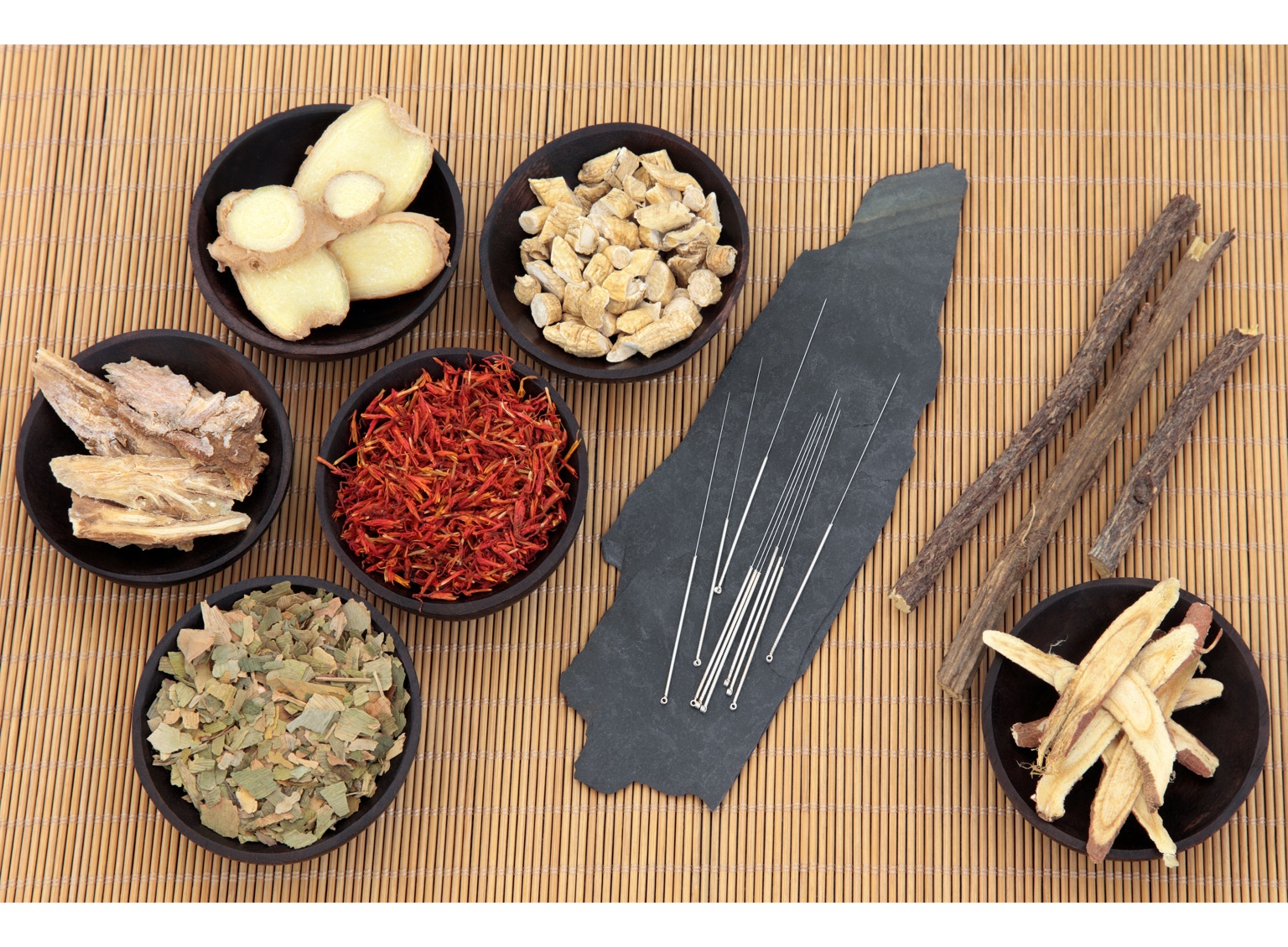
Acupuncture uses very fine, sterile, single-use needles at selected points. How it works is not fully understood, although research suggests effects on the nervous system and local tissues. You may feel a quick pinch, heaviness, warmth, or tingling. Most people tolerate treatment well, but temporary soreness or bruising can occur.
What is moxibustion?
Moxibustion uses controlled warmth from prepared mugwort near selected acupuncture points. You should feel warmth rather than burning. We ask about asthma, smoke or scent sensitivity, skin concerns, pregnancy, and changes in temperature sensation before treatment.
What is contrast hydrotherapy?
Contrast hydrotherapy uses carefully timed warm and cool applications as a supportive wellness treatment. The temperature, timing, and treatment area are adjusted after a safety review. Some heart, circulation, nerve, skin, pregnancy-related, or temperature-sensation concerns may require changes or make the treatment unsuitable.
What is the difference between standard and wet cupping?
Standard cupping creates suction without opening the skin. It may use dry, sliding, or fire-cupping methods. Wet cupping, also called hijama, adds very small superficial openings in the skin and therefore requires additional consent, sterile supplies, infection-control steps, wound care, and safety screening.
Where will I schedule and pay?
Booking, intake forms, secure messages, appointment details, and applicable online payments are managed through CharmHealth.